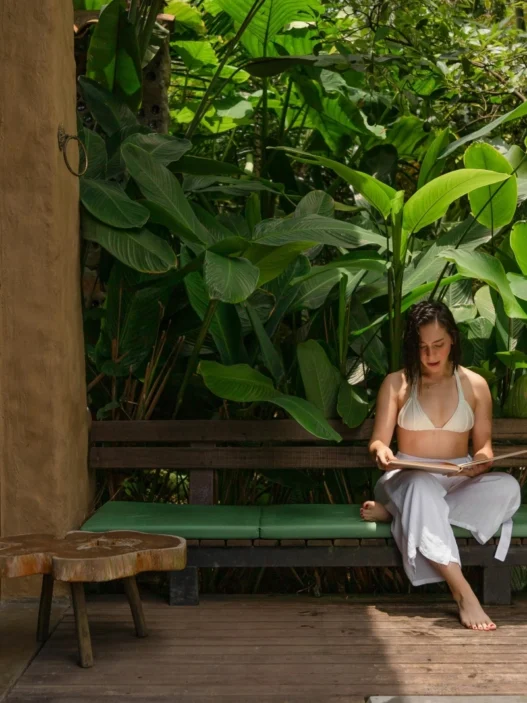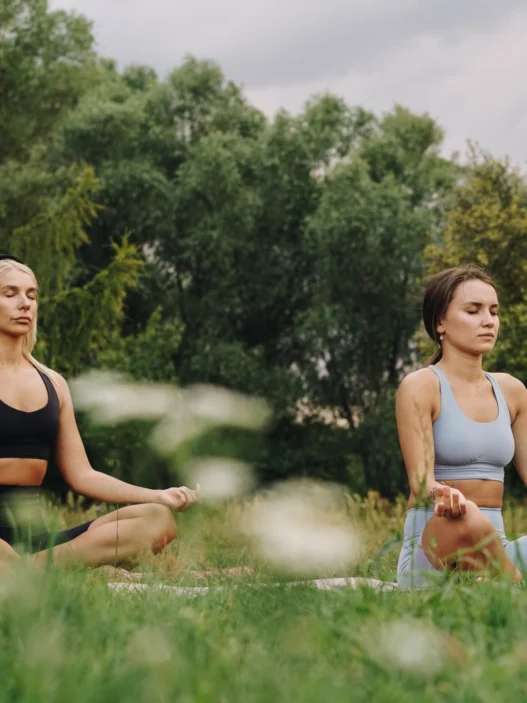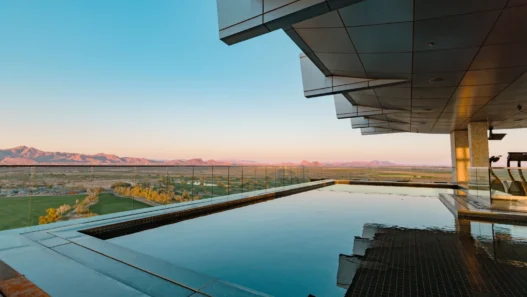





The best wellness retreats in Mexico operate across four distinct climate zones, and the zone is often what a traveler is actually choosing before they’ve settled on a program. The Yucatán Peninsula’s humid jungle floor, broken open by cenotes and limestone sinkholes, produces a different kind of retreat than the high-altitude dryness of Baja California or the Pacific coast salt air of Nayarit. The Riviera Maya’s Caribbean shore adds its own pressure – turquoise water, white sand, and the peculiar overexposure of one of the world’s most trafficked resort corridors. The programs that hold up have built around their geography rather than dropped a formula onto it.
The five below cover that range without duplicating it. Chablé Yucatán built its spa around a natural cenote outside Mérida. SHA Wellness opened its first Americas location on the Caribbean coast in 2024, bringing a European medical model to the Riviera Maya. Holistika runs daily yoga immersions from a 24-room jungle hotel in Tulum. Mar de Jade has operated from a Pacific coast fishing village in Nayarit for over thirty-five years. Rancho La Puerta, founded in 1940 in Baja California, remains the original destination wellness resort in North America. For readers also comparing retreats north of the border, the SanctumStay roundup of best wellness retreats in the US covers the domestic range.
The shortlist: 
- Best for a Mayan cenote spa in the Yucatán jungle: Chablé Yucatán
- Best for medically supervised multi-day programs on the Riviera Maya: SHA Wellness Mexico
- Best for a boutique jungle retreat with structured daily yoga practice: Holistika Tulum
- Best for a long-established Pacific coast retreat center with organic farm: Mar de Jade
- Best for North America’s original destination wellness resort in Baja California: Rancho La Puerta
Chablé Yucatán, Chocholá
The cenote at the center of Chablé’s spa is a natural formation – a circular opening in the limestone floor that drops into groundwater the Mayans considered sacred and that maintains a constant cool temperature regardless of the jungle heat above it. The spa was built around it rather than near it: treatment cabins arranged at the water’s edge, thermal pools fed from the same aquifer, the cenote itself available for immersion as part of the spa experience. This is not a design gesture. It is the organizing principle of the place.
Chablé Yucatán sits on a working hacienda outside Chocholá, roughly an hour from Mérida, in dense jungle that the resort’s footprint has left largely intact. Casitas are private villas set in the gardens, each with its own pool and outdoor seating. The spa’s three Journeys – Fountain of Youth, Tree of Life, and Paradise on Earth – draw from ancestral Mayan technique and are delivered by healers trained in that lineage. The temazcal, a traditional purification ceremony conducted in a low stone sweat lodge, runs on select days and requires advance booking. The property appeared on the World’s 50 Best Hotels list in 2025.
Pricing is at the high end of the Mexican luxury market. Casitas include private pools and full butler service; spa treatments are a la carte. Culinary classes, guided cenote swims, yoga, and golf are all available on property. Advance booking for treatment days is essential, particularly during December through April.
SHA Wellness Mexico, Riviera Maya
SHA opened its first location outside Spain on Mexico’s Caribbean coast in January 2024, on seven hectares of native coastal flora with half a kilometer of white sand beach on the Riviera Maya. The SHA Method – developed at the original Spanish clinic and built around the intersection of Western medical science and Eastern philosophical tradition – arrived intact: personalized nutrition protocols, functional medicine assessments, acupuncture, yoga, meditation, and personal training, sequenced across programs that run from four to twenty-one days depending on the guest’s objectives.
Programs are structured around a stated goal: Rebalance and Energize, Detox and Optimal Weight, Advanced Longevity, Leader’s Performance, and a Tailor-Made option for guests with specific medical or lifestyle parameters. A physician consultation is conducted at arrival and frames the entire stay. This is not spa programming with a medical aesthetic – the clinical oversight is substantive, and the program architecture follows from the intake assessment rather than from a fixed weekly schedule.
Pricing spans a wide range by program and duration: Rebalance and Energize starts from $1,600; Detox and Optimal Weight from $5,200; Advanced Longevity from $8,250. The Stay Your Way option, which allows guests to design their own schedule within the clinic’s offerings, starts from $700. All programs are residential and all-inclusive of meals, treatments, and medical consultations. Dietary approach follows the SHA nutritional framework – predominantly plant-based with clinical modifications based on the intake assessment. Programs run four to twenty-one days.
Holistika Tulum, Tulum
The morning practice at Holistika begins before the Tulum heat arrives – pranayama in the open-air yoga space, followed by asana and seated meditation, the jungle still audible from the practice platform. Holistika operates as a boutique hotel and retreat center in the Mayan jungle outside Tulum’s town center, with 24 rooms built to minimize the gap between interior and exterior. The property functions as a community center as much as a hotel: daily yoga classes, a restaurant sourcing from local producers, and a wellness services program running alongside the retreat calendar.
The six-day immersion is the core program: daily meditation, mantra work, asana, and pranayama, with guided excursions to cenotes and nearby Mayan archaeological sites woven into the schedule. The structure is consistent – the same practice sequence each morning builds a rhythm that most week-long retreat formats deliberately avoid in favor of variety. Facilitators are based on property rather than brought in as guest teachers, which gives the program a coherence that rotating formats cannot replicate.
The six-day immersion is all-inclusive: accommodation in the jungle hotel rooms, three daily meals from the on-site restaurant, all classes and excursions. Pricing is available directly from Holistika’s retreat page and positions this as the mid-range option among Tulum’s dedicated retreat properties. Hotel rooms also book independently for guests not joining a structured program.
Mar de Jade, Chacala
The sound of the Pacific arrives through the yoga room’s open walls at Mar de Jade – a constant, low, rhythmic presence that most Tulum or Yucatán retreat participants have never heard during practice. The center occupies a stretch of beachfront in Chacala, a small fishing village in Nayarit on Mexico’s Pacific coast, roughly halfway between Puerto Vallarta and San Blas. It has operated from this location for over thirty-five years, which in the retreat industry is a record that speaks to something more than marketing.
Four yoga spaces, all with hardwood floors and ocean views, host a rotating calendar of week-long programs: yoga and meditation retreats in Zen and Chan Buddhist lineages, Nia dance and somatic movement workshops, chakra-focused intensives, and silent retreats led by established practitioners from their own traditions. The kitchen operates from an on-site organic farm and serves buffet meals covering vegetarian, vegan, gluten-free, and pescatarian requirements. Mar de Jade does not generate its own programming; established retreat leaders bring their work to the space, which keeps facilitation quality high and the format varied across the calendar.
Week-long programs are residential and all-inclusive of accommodation, meals, and instruction. Pricing varies by retreat leader and program – the full calendar and current rates are listed on the Mar de Jade website. This is mid-range by the international retreat market’s standards, with meaningful value for the Pacific coast setting and the quality of teaching lineages in the calendar.
Rancho La Puerta, Tecate
The hiking trail to the summit of Mount Kuchumaa departs at 6:30 in the morning and returns guests to the breakfast table by nine. The ranch has been running this hike, and over eighty other weekly classes, since 1940 – the year its founders arrived in Tecate, Baja California with a philosophy about the relationship between movement, diet, and wellbeing that most of the wellness industry spent the following four decades catching up to. It marked its 85th anniversary in 2025, still family-operated, still the largest private landholding dedicated to wellness programming in North America at 4,000 acres.
The weekly program runs Sunday to Sunday and covers yoga, Pilates, functional strength training, TRX, meditation, guided nature hikes, and a full workshop schedule that includes herbal medicine, writing, psychology, art, cooking, and sound healing. La Cocina Que Canta – the ranch’s culinary school – runs cooking classes from the on-site organic gardens. The kitchen follows a pescatarian approach with produce harvested daily from those same gardens. From 2026, a Longevity Track will allow guests to structure their entire week around strength, balance, mobility, and age-supportive programming with dedicated lectures.
Pricing for the weekly stay is available on the ranch’s rates page and positions it at the accessible end of the destination spa market relative to the program breadth and acreage on offer. Tecate sits just south of the California border, making San Diego the most logical arrival airport – a roughly one-hour drive to the gate.
How much does a wellness retreat in Mexico typically cost?
Costs vary significantly by format and duration. At the accessible end, week-long residential programs at Mar de Jade and Holistika Tulum are mid-range by international standards – full details on each property’s site. SHA Wellness Mexico’s programs start from $700 for the Stay Your Way option and reach $8,250 or more for Advanced Longevity. Chablé Yucatán and Rancho La Puerta each publish current rates directly. None of these figures include international flights, which vary considerably depending on departure city and season.
What is the best time of year to visit a wellness retreat in Mexico?
It depends on the region. The Yucatán Peninsula and Riviera Maya are driest and most comfortable from November through April; the summer rainy season runs June through October with humidity and occasional hurricanes. The Pacific coast – Nayarit and Jalisco – follows a similar dry season pattern. Baja California, where Rancho La Puerta sits, is drier year-round with mild winters and hot summers. Most best wellness retreats in Mexico see peak demand from December through March. Shoulder months – October, November, and May – offer better availability at lower cost.
Do Mexican wellness retreats require Spanish language ability?
None of the five properties above require Spanish. All operate primarily in English for international retreat guests, with bilingual staff on property. Chablé Yucatán, SHA Wellness Mexico, and Rancho La Puerta are fully English-language operations. Mar de Jade and Holistika Tulum conduct retreat programming in English, though kitchen and housekeeping staff may be Spanish-speaking. For guests traveling independently between sessions, basic Spanish is useful in smaller villages like Chacala – but is not required for the retreat experience itself.
Mexico’s wellness geography rewards the decision to travel beyond Tulum’s main strip or the Riviera Maya’s resort corridor. Chacala is a fishing village that has not built itself around tourism. Chocholá is a hacienda town that most visitors to Yucatán never reach. Tecate sits at an elevation that produces a dry, cool air entirely unlike the coast. The retreats that have stayed in these places have done so because the landscape does something a program schedule cannot replicate – and the guests who return annually have already figured that out.