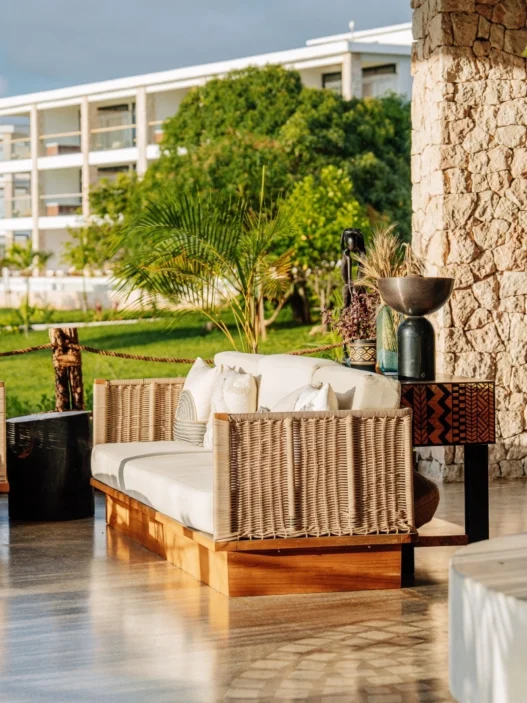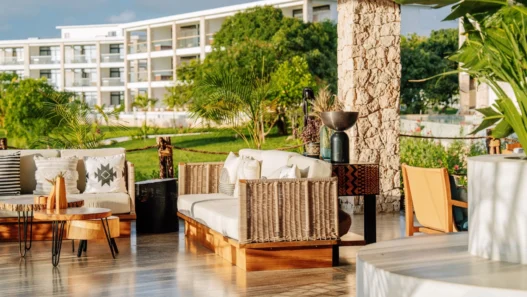





The smell of copal arrives before the color does. The resin burnt in clay braziers throughout Oaxaca’s markets and churches produces a slow, woody smoke that threads through the corridors of the colonial centro and settles into doorway textiles before a visitor has unpacked. Oaxaca City sits at 5,085 feet in a valley ringed by mountains, a compact highland grid where most of what matters is walkable. The boutique hotels Oaxaca travelers book are woven into that grid: a 16th-century convent converted to ninety-one rooms two blocks from the church of Santo Domingo; a seven-room colonial house strung with handwoven textiles from Teotitlán del Valle; a 20-room property designed to embed Zapotec motifs in contemporary form. Each reflects the city they’re in rather than simply occupying it.
Oaxaca’s significance runs deeper than its architecture. The city is the center of one of the most intact indigenous cultural continuities in the Americas – Zapotec and Mixtec traditions that survived the colonial period remain active in the craft villages, ceremonial calendar, and food culture surrounding the city. Chef Alejandro Ruiz’s Casa Oaxaca restaurant drew international culinary attention to the region’s mole negro, tlayudas, and chocolate in the late 1990s, long before Oaxacan cuisine became a global reference. Monte Albán and Mitla anchor the valley. The Guelaguetza festival in July brings the indigenous communities of the Sierra into the city in an annual ceremony of dance and offering that predates colonization by centuries. For travelers drawn to places where living tradition still structures public life, Oaxaca belongs alongside the world’s most significant spiritual destinations.
At a glance: 
- Best season: Late October through December for Day of the Dead (Nov 1-2) and post-festival calm; March through April for dry warmth and lighter crowds.
- How to arrive: Fly to Oaxaca International Airport (OAX). Direct flights from Mexico City run roughly one hour; some US carriers fly direct. Taxis and app-based rides reach the centro in 10-15 minutes.
- How long to stay: Four nights minimum for two mornings in the centro and one Monte Albán excursion. Six nights to add Hierve el Agua and the craft village circuit.
- Who it’s for: Food-focused travelers, architecture enthusiasts, and anyone drawn to living indigenous craft traditions in an eminently walkable city.
- Don’t expect: Beach access, English-language signage beyond the main tourist corridor, fast service, or a nightlife scene that extends past the mezcal bars closing at midnight.
Why Oaxaca
The Zapotec civilization built Monte Albán on a razed mountain above the valley around 500 BCE, making it one of the earliest cities in Mesoamerica. The city at its peak held a population of 25,000 and dominated trade routes across what is now southern Mexico for nearly a thousand years before its decline in the 8th century CE. The Mixtec followed, layering their own administrative and ceremonial structures over the Zapotec foundations at Mitla and elsewhere in the valley. The Spanish arrived in 1521 and began the systematic construction of a colonial city directly on the existing urban fabric – a pattern that makes Oaxaca’s historic center simultaneously a 16th-century Spanish colonial archive and a palimpsest of what came before it.
What distinguishes Oaxaca from other colonial Mexican cities is the degree to which the pre-colonial cultures survived that layering. The craft traditions of the surrounding villages – the black clay pottery of San Bartolo Coyotepec, the woven wool textiles of Teotitlán del Valle, the carved wooden alebrijes of San Martín Tilcajete – are not tourist reproductions. They are active commercial and cultural practices carried by families for generations. The regional cuisine built on those same foundations: the seven moles of Oaxaca, the Oaxacan cheese, the grasshoppers fried with chile and lime, the chocolate ground on volcanic stone. UNESCO designated the historic center a World Heritage Site in 1987. The recognition was deserved, and the city has absorbed the attention without becoming a museum piece.
The Land

Oaxaca City occupies the floor of the Oaxaca Valley at 5,085 feet, which gives it a highland climate markedly different from Mexico’s coastal zones: warm days, cool nights year-round, and a dryness in the winter months that preserves the green of the valley only where the river runs. The Sierra Juárez rises to the north, reaching above 10,000 feet in places. Monte Albán is visible from the city’s western side, the ruins on their leveled summit catching afternoon light.
The historic center clusters around the Zócalo and extends north to the church of Santo Domingo, a ten-minute walk that constitutes the main pedestrian artery of the city. The barrio of Jalatlaco sits to the northeast of the centro – quieter, with narrower cobblestone streets and a denser concentration of small guesthouses and cafes. The city’s main markets are south and west of the Zócalo, within a five-minute walk. Most boutique hotels in Oaxaca’s historic center are within a ten-minute walk of each other, and the entire centro is navigable on foot. A car is useful only for day trips to Monte Albán (9 km west), Hierve el Agua (65 km southeast), or the craft village circuit east through Tlacolula.
What to Do

Monte Albán. The archaeological site sits on a flattened mountain top 9 kilometers west of the city, reached in twenty minutes by taxi or colectivo. The main plaza is a 300-meter platform flanked by temples, ball courts, and astronomical observatories built across several distinct architectural periods from 500 BCE onward. The scale is disorienting in the best way: nothing visible from the entrance prepares a visitor for the extent of the site or for the view of the valley below, which stretches to the mountains in all directions. Morning visits before 10am avoid the worst heat and crowds. Budget two to three hours. Bring water; the site has limited shade.
Santo Domingo de Guzmán and the Ethnobotanical Garden. The church was built by Dominican friars beginning in 1572 and remains the most ornate colonial structure in the city – its interior gilded and painted ceiling is a Baroque document of a specific historical moment and patronage system. The attached Museo de las Culturas de Oaxaca holds the Monte Albán Tomb 7 treasure: Mixtec gold work of extraordinary precision. The Ethnobotanical Garden behind the complex requires a timed guided tour and documents the plant relationships of Oaxacan indigenous cultures. Advance booking is advisable, particularly November through April.
Mercado 20 de Noviembre. The covered market two blocks south of the Zócalo is the practical center of Oaxacan street food. Vendors sell tasajo (thinly sliced dried beef grilled over charcoal), chorizo, and cecina from open grills at the market’s southern end, accompanied by tlayudas – large tortillas spread with asiento, black beans, and cheese. The chocolate vendors in the adjacent Mercado Benito Juárez grind cacao to order for drinking chocolate and tejate. Go hungry, go early, bring cash.
Hierve el Agua. The mineral springs 65 kilometers southeast of the city have deposited carbonate formations over millennia that mimic frozen waterfalls cascading from the cliff edge. The pools at the top are warm and wading-depth. The drive winds through mountain villages and the mezcal production zone of the Cañada, passing agave fields and small palenques operating by traditional method. The journey takes roughly 90 minutes each way on mountain roads. A local driver hired through the hotel for the day is the most reliable option; arrange it a day in advance.
Where to Stay
Quinta Real Oaxaca
The Convent of Santa Catalina de Siena, built in 1576, became Quinta Real Oaxaca through a restoration that preserved the frescoes, original Talavera tile floors, beamed ceilings, stone courtyards, and flower-filled gardens rather than erasing them. Ninety-one rooms occupy what was once a Dominican convent two blocks from Santo Domingo. The outdoor pool sits in the former cloister garden. Pricing is at the high end of the Oaxacan boutique hotel market, appropriate to the building and its location steps from the city’s finest cultural sites.
Casa Oaxaca
Seven rooms in a colonial house near the Ethnobotanical Garden, each dressed in handwoven textiles from Teotitlán del Valle and ceramics from the artisan villages east of the city. Clean whitewash walls, a rooftop pool, and a private garden courtyard that doubles as the setting for chef Alejandro Ruiz’s restaurant. The scale is deliberately intimate. Rates start around $173 per night. Advance booking is essential – the rooms are among the most requested in the city, and the restaurant fills independently of the hotel.
Pug Seal Oaxaca
The building on Porfirio Díaz dates to the early 19th century. Its conversion to a boutique hotel in 2020 involved architect Rafael Uriegas and artists Sabino Guisú and Manuel Lozano, who drew on Zapotec geometric motifs and Mediterranean color in a combination that reads as neither one entirely. Twenty rooms, some with private balconies and rainfall showers. Eco-operations built in: biodegradable cleaning products, refillable glass bathroom jars, no single-use plastic. Continental breakfast included. Rates start around $247 – mid-to-high for the Oaxacan market.
El Callejón Hotel Boutique
El Callejón sits between the historic center and the barrio of Jalatlaco – quieter than the main tourist corridor, five minutes on foot from the Zócalo. Suites open onto private gardens or patios. Adobe walls, traditional materials, contemporary restraint. Among Oaxaca’s boutique hotels, El Callejón occupies the mid-range and represents the accessible entry point for guests who want architectural seriousness and privacy without the premium of a convent conversion. Pricing is available directly from the property.
Where to Eat
Criollo. Chef Enrique Olvera of Pujol co-owns Criollo with chef Luis Arellano, and the restaurant carries a MICHELIN recognition. The move, according to most regulars, is breakfast or brunch on the patio: picnic-style tables, chickens moving through the garden, and a menu that applies technical precision to seasonal Oaxacan ingredients at a price point well below the dinner tasting menu. Reservations advisable.
Casa Oaxaca El Restaurante. Alejandro Ruiz has been cooking contemporary Oaxacan food in the courtyard of Casa Oaxaca since the late 1990s, and the restaurant appears on the World’s 50 Best Discovery list. The menu moves between yellowfin tuna carpaccio with dried beef slivers and charcoal-grilled octopus with chile molasses, returning always to the base flavors of the region. Dinner reservations are essential, made days in advance during November and the holiday period.
Mercado 20 de Noviembre. The permanent market two blocks from the Zócalo is where the city eats. Vendors at the southern end grill tasajo, chorizo, and cecina over open charcoal; tlayudas arrive folded, spread with black beans and Oaxacan string cheese. In the adjacent Mercado Benito Juárez, chocolate vendors grind cacao to order. No fixed price, no queue system. Point, pay cash, eat standing.
Practical Notes
Getting there: Fly to Oaxaca International Airport (OAX). Aeroméxico and other carriers operate direct flights from Mexico City (roughly one hour); some US carriers fly direct from select cities. Taxis from the airport to the centro take 10-15 minutes.
When to go: October through December is the most culturally rich period – Day of the Dead on November 1 and 2 is genuinely worth planning around. July’s Guelaguetza festival requires hotel bookings six months or more in advance. The rainy season (June through September) brings afternoon showers that typically clear by evening and significantly reduce crowds.
Etiquette: Cover shoulders when entering Santo Domingo and other active churches. Tip in cash – service charges are not standard on bills. Ask before photographing vendors in markets. In craft villages, ask before entering family workshops.
Budget signal: Mid-range boutique hotels start around $150-175 per night; the premium end runs $200-350. Dinner at Casa Oaxaca or Criollo runs $30-60 per person before drinks. Market meals run $3-8.
How many days do you need in Oaxaca City?
Four nights is the practical minimum – enough for two mornings in the centro, one full-day excursion to Monte Albán, and time in the markets without rushing. Six nights allows for Hierve el Agua, the craft village circuit through Teotitlán del Valle and Mitla, and a proper Sunday at the Tlacolula market. Travelers wanting to attend Guelaguetza in July or center their stay around Day of the Dead should plan for a full week and book accommodation months in advance.
When is the best time to visit Oaxaca Mexico?
Late October through December combines ideal weather with the Day of the Dead period and the run-up to Christmas posadas. March through April is dry and warm with lower crowds. The rainy season runs June through September – afternoon showers clear by evening and the city is visitable, cooler, and considerably less busy. July hosts the Guelaguetza festival, Oaxaca’s largest annual event, requiring accommodation booked many months ahead.
Do boutique hotels in Oaxaca fill up fast?
Yes. The boutique hotels Oaxaca visitors prioritize are typically small – Casa Oaxaca has seven rooms, Pug Seal twenty – and fill quickly during Day of the Dead, Guelaguetza, and the December holiday season. Even shoulder-season weekends sell out at the most sought-after properties. For Day of the Dead (October 31 to November 3), book three to four months in advance. For Guelaguetza in July, six months is not excessive.
The cedar smoke from the brazier outside Santo Domingo is still there at dusk – thinner, but present. The streets narrow as the light drops. A vendor packs dried chiles into a plastic bag, the stems still attached. The city does not perform for the evening. It simply continues, as it has continued through the colonial period and the republic and the present, at 5,085 feet, in a valley that has held the Zapotec and the Dominican and the traveler with equal patience.