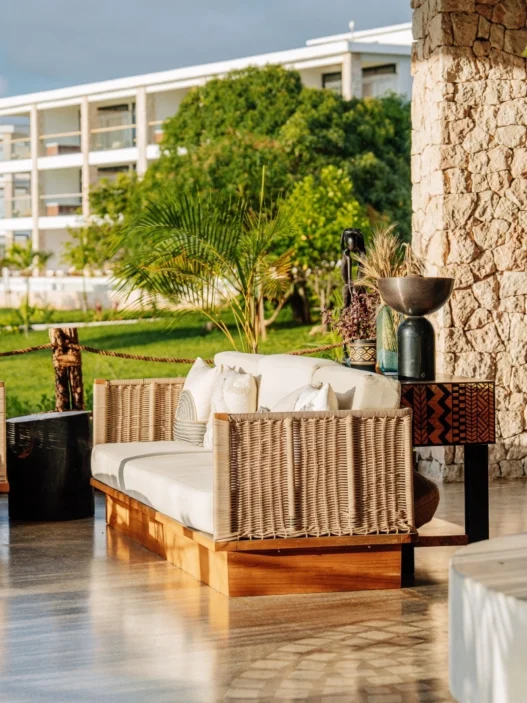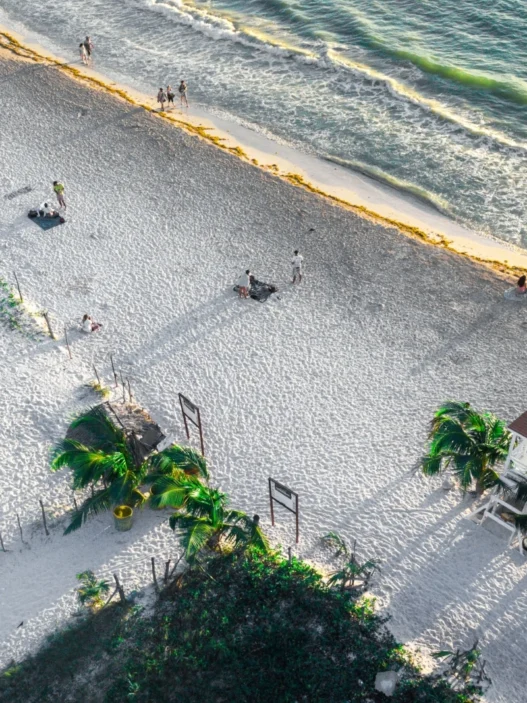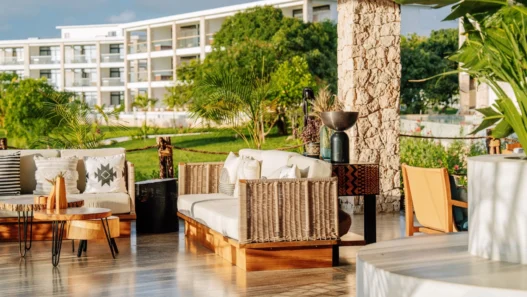








The best hotels in oaxaca have each staked a claim in the city’s architectural history and built their identity around it. The range is wider than the phrase suggests. A Grupo Habita casona in the centro histórico where architect Alberto Kalach grafted a contemporary tower onto a colonial residence without disguising the seam between the two anchors one end. At the other, a six-room boutique on García Vigil where the staff-to-guest ratio stays genuinely high. Between those poles: a restored 18th-century home dense with Zapotec textiles, an eight-suite colonial mansion with period furnishings and stucco angels a six-minute walk from Santo Domingo, and an adults-only hacienda outside the city in the Valles Centrales where eight suites named for the state’s eight regions face open farmland.
Oaxaca’s centro histórico – a UNESCO World Heritage Site since 1987 – places Santo Domingo, the Ethnobotanical Garden, the Zócalo, and the Mercado 20 de Noviembre within walking distance of most of these properties. That concentration rewards hotels that orient guests toward the street rather than sealing them into resort infrastructure. All five below have made that choice, each differently.
The shortlist: 
- Best for an eight-suite colonial mansion with period furnishings near Santo Domingo: Casa Cid de León
- Best for contemporary design architecture in a restored colonial casona: Escondido Oaxaca
- Best for a restored 18th-century home with Zapotec craftsmanship throughout: Casa Naila
- Best for an adults-only hacienda outside the city in the valley: Hotel Casa Santo Origen
- Best for an intimate six-room boutique on García Vigil: La Casona de Tita
Casa Cid de León
The stucco angels above the doorways at Casa Cid de León are original to the colonial mansion – a historic structure in the centro histórico, six minutes on foot from Santo Domingo, where the solid walls and simple architectural lines of Oaxacan colonial construction still set the room’s dimensions. Eight suites, each furnished with period pieces, local artwork, and hand-made details sourced from the region, sit inside a building that does not perform its age but simply expresses it. The central courtyard holds the mornings quietly; the street outside picks up around nine when the market foot traffic begins.
Casa Cid de León operates at the accessible end of the Oaxaca boutique market – rates around $200 per night, which positions this as the most straightforward entry point on this list for guests who want a historic colonial building in the center without the full-service overhead of a larger property. The room count of eight keeps service personal. The location, walking distance from the Macedonio Alcalá pedestrian corridor, the Ethnobotanical Garden, and the Mercado Benito Juárez, makes it easy to reach everything from here. Book directly through the property website.
Escondido Oaxaca
The tasting dinner at Escondido Oaxaca’s Culture Room changes weekly – Chef Saul Carranza Zatarain pulls the menu from what he finds at the Mercado Benito Juárez and local producers that week, and the result arrives in a room with large windows facing Morelos street and the particular low light of Oaxaca’s evenings. Escondido is a Grupo Habita property, which means the design decisions were made by people who treat hotels as architecture problems rather than hospitality ones. Architect Alberto Kalach of Taller de Arquitectura X converted a colonial casona in the historic center and added a contemporary tower at the rear – 12 rooms total, divided between the original building and the new one – without smoothing the contrast between them.
Rooms in the casona share a leafy central patio; rooms in the tower have private balconies or patios. Interior design by Lucía Corredor and Cecilia Tena of DÉCADA connects Oaxacan craft traditions with contemporary material choices rather than using one to decorate the other. Organic bath amenities, 24-hour room service, and valet parking are standard. The property is a Design Hotels member. Escondido sits at the mid-to-high end of the Oaxaca market – competitive given the architecture and a restaurant that would draw diners on its own without the rooms attached.
Casa Naila
The green stone columns in the central courtyard are original to the 18th-century structure – a colonial residence on Avenida Morelos, five blocks from Santo Domingo, that Casa Naila restored rather than renovated. Throughout the rooms: black clay pottery from San Bartolo Coyotepec, handwoven tapetes from Teotitlán del Valle, and original artwork sourced regionally with the specificity of a collection rather than a decorator’s shorthand for Oaxacan identity. L’Occitane products and smart technology sit alongside the historic material; the balance holds without visible effort.
Casa Naila operates as a small luxury boutique at a room count intimate enough that the service-to-guest ratio stays genuinely high. The location in the historic center places it within walking distance of the Macedonio Alcalá Theater, the Zócalo, and the Alameda de León. Pricing is at the higher end of Oaxaca’s boutique market, appropriate to the restoration quality and the sourcing of the objects throughout. Advance booking is essential for the December-to-March peak period.
Hotel Casa Santo Origen
Each of the eight suites at Casa Santo Origen is named for one of Oaxaca state’s eight regions – the Sierra Norte, the Cañada, the Costa, the Mixteca – and the naming is not decorative. The property takes the position that understanding Oaxaca as a geographic and cultural system, not just a city, is part of what a stay should accomplish. Casa Santo Origen sits in the Valles Centrales, roughly fifteen minutes from downtown by car, on land that reads as genuinely rural. Adults-only, which removes the ambient family resort traffic that most Oaxaca city hotels cannot avoid.
The on-site restaurant Entre Sombra operates with a Mediterranean approach shaped by local ingredients. The outdoor pool and garden face the open valley; balcony rooms include views of the Valles Centrales farmland and low hills. Rates start around $400 per night – mid-to-high for a countryside property outside the center – and the adults-only format justifies the positioning for guests specifically seeking rural distance.
La Casona de Tita
Six rooms, a 19th-century building on García Vigil, and a breakfast that most guests mention before they mention the room – this is La Casona de Tita’s operating premise, and it holds. The property sits in Oaxaca’s historic center at a scale that makes genuine personalized service possible: the staff-to-guest ratio at six rooms means requests do not travel through layers of management. Local textiles and antiques cover the walls and furnishings in patterns that read as accumulated rather than installed.
La Casona de Tita operates at the accessible end of Oaxaca’s boutique market – mid-range by the city’s standards, below the rate of Escondido or Casa Naila, without a meaningful sacrifice on location or guest experience. García Vigil is one of the city’s quieter colonial streets, close enough to the Zócalo to reach in five minutes on foot. For guests who want a small, honest hotel in the historic center without full-service infrastructure, this is the straightforward choice.
What is the best area to stay in Oaxaca city?
For most visitors, the centro histórico is the right choice. All five hotels above are within the UNESCO-protected historic center or within fifteen minutes of it, and the concentration of Santo Domingo, the Ethnobotanical Garden, and the Mercado 20 de Noviembre makes the neighborhood genuinely walkable. Hotel Casa Santo Origen is the exception – it sits in the Valles Centrales, a fifteen-minute drive from downtown, suited to guests who specifically want adults-only quiet and rural space.
How much do the best hotels in oaxaca cost per night?
Casa Cid de León sits at the most accessible end, with rates around $200 per night. La Casona de Tita is similarly mid-range. Escondido Oaxaca and Casa Naila occupy the mid-to-high tier. Hotel Casa Santo Origen starts around $400 per night in the countryside. All five sit above the generic Oaxaca hotel market, reflecting the quality of their buildings and the sourcing of their interiors.
When is the best time to visit Oaxaca for hotels and availability?
December through March is peak season – the best hotels in oaxaca book out weeks or months ahead during this window. July brings the Guelaguetza festival and compresses availability sharply for that specific week. The most favorable combination of weather, rate, and availability is October and November: post-rainy season, pre-peak, with Días de los Muertos as an added draw if that is part of the reason for the visit.
Oaxaca does not stop being interesting when the hotels are full, but the properties above reward being visited slowly. The city’s food, craft, and mezcal ecosystems are dense enough that the right hotel – one that positions you in the centro and sends you into the streets rather than keeps you poolside – functions less as accommodation and more as a base for systematic discovery. The six-room guesthouse and the Grupo Habita design hotel are solving the same problem from opposite ends of the scale.